
The Complete Guide to Standby Power Systems for Homes

Updated on: 2026-01-13
Backup power systems provide essential electricity when your main supply fails unexpectedly. These solutions protect your home or business from outages, ensuring critical appliances continue operating smoothly. Understanding how emergency power systems work helps you make informed decisions about your energy resilience. Learn about the benefits, types, and practical considerations for choosing the right solution for your needs.
Table of Contents
- Understanding Backup Power Systems
- Practical Guide to Emergency Power Solutions
- Key Advantages of Reliable Power Systems
- Important Considerations Before Installation
- Summary and Next Steps
- Frequently Asked Questions
- About the Author
Understanding Backup Power Systems
When unexpected power outages occur, having a reliable source of emergency electricity becomes invaluable. Backup power systems serve as your safety net, automatically activating when your primary electrical supply fails. These systems have become increasingly important as we depend more heavily on electricity for everything from refrigeration to medical equipment to communication devices.
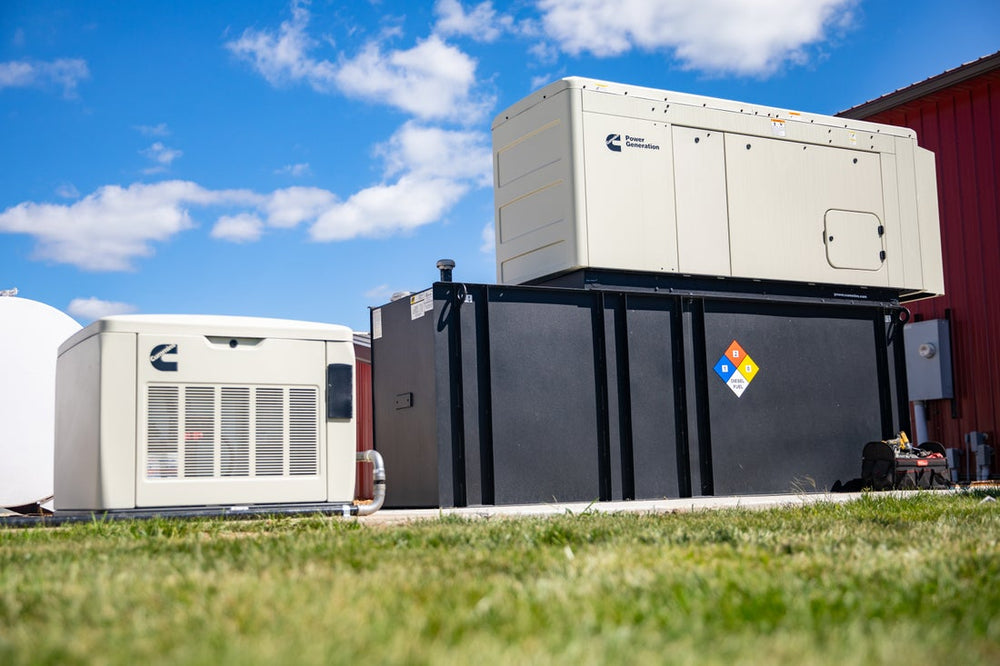
Standby power systems represent one of the most practical investments you can make for your property. Unlike portable generators that require manual setup, these permanent installations monitor your electrical supply continuously. The moment a disruption occurs, they detect the change and seamlessly transition your home or business to emergency power within seconds.
The concept of having dedicated emergency electricity isn't new, but modern technology has made these solutions more affordable and efficient than ever before. Whether you live in an area prone to severe weather or simply want peace of mind, understanding how these systems function empowers you to protect what matters most.
Practical Guide to Emergency Power Solutions
Step One: Assess Your Power Requirements
Begin by evaluating which appliances and systems absolutely need electricity during an outage. Consider essential items like heating and cooling systems, refrigerators, medical equipment, lighting, and communication devices. Make a detailed list noting the wattage requirements for each device. Most appliances display this information on a label, or you can find it in your user manual.
Calculate your total power needs by adding up the wattage of devices you want to keep running simultaneously. This calculation becomes the foundation for selecting an appropriately sized emergency power solution. Many people underestimate their needs, so err on the side of slightly higher capacity rather than cutting it close.
Step Two: Explore Available Technologies
Several technologies can provide backup electricity, each with distinct advantages. Diesel generators offer robust, proven performance and extended runtime capability. Natural gas options provide convenience if your property has existing gas infrastructure. Battery-based systems deliver quiet, emission-free operation and increasingly competitive pricing. Hybrid approaches combine multiple technologies for maximum flexibility and resilience.
Core Generator Services offers comprehensive guidance on selecting the technology that best matches your situation, budget, and environmental preferences.
Step Three: Plan Installation Logistics
Proper installation requires careful planning regarding location, ventilation, fuel storage, and electrical connections. Outdoor placement typically works best for traditional generators to minimize noise and ensure adequate airflow. However, location selection depends on your property layout, climate considerations, and aesthetic preferences.
Professional installation ensures your emergency power system meets all safety codes, functions reliably, and integrates properly with your existing electrical infrastructure. Attempting to install these complex systems yourself may create safety hazards and void manufacturer warranties.
Step Four: Establish Maintenance Schedules
Regular maintenance keeps your emergency electricity source in peak condition. This includes fuel stabilization, oil changes, filter replacements, and periodic operational testing. Many people invest in these systems but neglect upkeep, only to discover problems when they actually need the backup power.
Create a maintenance calendar and follow manufacturer recommendations diligently. Some systems benefit from monthly brief operation tests, while others require quarterly servicing. Seasonal inspections before hurricane or winter weather seasons are particularly important.
Key Advantages of Reliable Power Systems
- Uninterrupted Daily Operations: Your household or business continues functioning normally, protecting perishable food, maintaining comfortable temperatures, and preserving work productivity.
- Medical Equipment Protection: For families relying on electrical medical devices, backup electricity literally becomes a lifeline during extended outages.
- Property Protection: Sump pumps, security systems, and water treatment equipment operate normally, preventing damage to your home or facility.
- Financial Security: Avoid spoiled inventory, lost productivity, or emergency hotel stays by maintaining power continuity.
- Peace of Mind: Knowing you have reliable emergency power reduces stress and anxiety about weather events or infrastructure failures.
- Automatic Activation: Modern systems detect outages and switch automatically without requiring manual intervention or delay.
- Fuel Flexibility: Options exist for diesel, natural gas, propane, or battery-based solutions, allowing you to choose based on availability and preference.
- Long-Term Value: Quality backup systems maintain or increase property value while providing years of reliable protection.
Important Considerations Before Installation
Before committing to a backup power solution, thoughtfully evaluate several important factors. Your geographic location influences which technologies make most sense. Areas with frequent outages may justify larger capacity systems, while regions with rare disruptions might benefit from more modest installations.
Budget considerations deserve careful attention. While backup electricity requires upfront investment, think of it as insurance protection rather than optional spending. Compare total costs including installation, ongoing maintenance, fuel, and potential interest if financing. Explore comprehensive power solutions that fit various budget levels.
Local regulations and building codes may impose restrictions on fuel storage, installation locations, noise levels, or emission standards. Check with your municipal authorities before purchasing equipment to ensure compliance. Some neighborhoods have homeowners association rules affecting backup power installations.
Environmental considerations matter to many property owners. Battery systems produce zero emissions and minimal noise. Fuel-based options require storage space and generate emissions, though modern systems employ advanced pollution controls. Weigh environmental impact against practical performance needs for your situation.
Noise levels deserve consideration, particularly for systems located near bedrooms or neighbors. Battery options operate silently, while traditional generators produce varying noise levels depending on design and size. Sound barriers and strategic placement help minimize disturbance.
Summary and Next Steps
Backup power systems provide essential protection against unexpected electrical outages, keeping essential appliances operational and maintaining your quality of life during disruptions. These emergency electricity solutions range from traditional generators to modern battery systems, offering options to match virtually any need and budget.
Moving forward, follow these action steps to secure reliable power for your property. First, calculate your specific power requirements by listing all essential appliances and their wattage needs. Second, research available technologies and compare their advantages for your situation. Third, obtain professional quotes from qualified installers who understand local codes and requirements. Finally, establish a maintenance schedule before activation to ensure long-term reliability.
Taking action today protects your family, property, and peace of mind for years to come. Don't wait until an emergency strikes to wish you had investigated backup electricity options. Contact Core Generator Services to discuss solutions tailored to your specific circumstances and budget.
Frequently Asked Questions
How quickly do backup power systems activate during an outage?
Modern automatic backup systems detect power loss and switch to emergency electricity within seconds, typically between two and ten seconds depending on the technology. This rapid response keeps most appliances operating without noticeable interruption. Only devices with sensitive electronics might experience a brief moment of disruption. Battery-based systems often provide even faster activation than traditional generators.
What is the lifespan of a typical emergency power system?
Quality backup electricity systems typically last fifteen to twenty years with proper maintenance. Traditional generator engines often exceed this timeframe, while battery technology continues improving in longevity and efficiency. Regular servicing, appropriate fuel management, and seasonal inspections significantly extend operational life. Some components may require replacement before the entire system reaches end-of-life, particularly batteries in electric systems.
Can backup power systems power an entire home simultaneously?
It depends on your system's capacity and your home's power demands. Whole-home backup solutions can power everything simultaneously if sized appropriately, but this requires larger capacity and represents higher investment. Many installations use portable or partial-home systems that power essential appliances and circuits rather than everything at once. Professional assessment determines whether whole-home or partial coverage better serves your situation and budget.
Do backup power systems require special permits or inspections?
Yes, most jurisdictions require permits for installing permanent backup electricity systems. Local building departments must inspect installation work to ensure safety, proper grounding, fuel storage compliance, and code adherence. Permit requirements vary by location, so check with your municipal authorities early in the planning process. Professional installers typically handle permit acquisition as part of their service.
What maintenance tasks should I perform on my backup power system?
Regular maintenance includes monthly brief operational tests, seasonal fuel stabilization, annual oil and filter changes, and regular cleaning of air filters. Battery systems require different maintenance than fuel-based generators, typically involving periodic load testing and terminal cleaning. Most manufacturers provide detailed maintenance guides. Professional services can handle routine maintenance if you prefer expert support rather than DIY upkeep.
Are battery-based systems truly silent, and how long do they last?
Battery-based backup systems operate virtually silently compared to traditional generators, producing minimal noise that won't disturb neighbors or household members. Modern battery technology provides runtime typically between four to twelve hours depending on capacity and load. Some systems allow battery expansion for extended runtime. Battery lifespan ranges from ten to fifteen years, with improving technology extending this timeframe regularly.
About the Author
Author Bio
This article was written by a power systems specialist with extensive expertise in emergency electricity solutions and standby generator technology. With years of experience guiding homeowners and businesses through backup power decisions, the author brings practical knowledge from Core Generator Services, where customer satisfaction and reliable protection remain the top priorities. Their background includes technical certifications in generator installation, maintenance, and system design across various fuel types and battery technologies. Whether you're facing your first outage or upgrading existing systems, this writer hopes to empower you with knowledge for making confident decisions about your property's power resilience.
