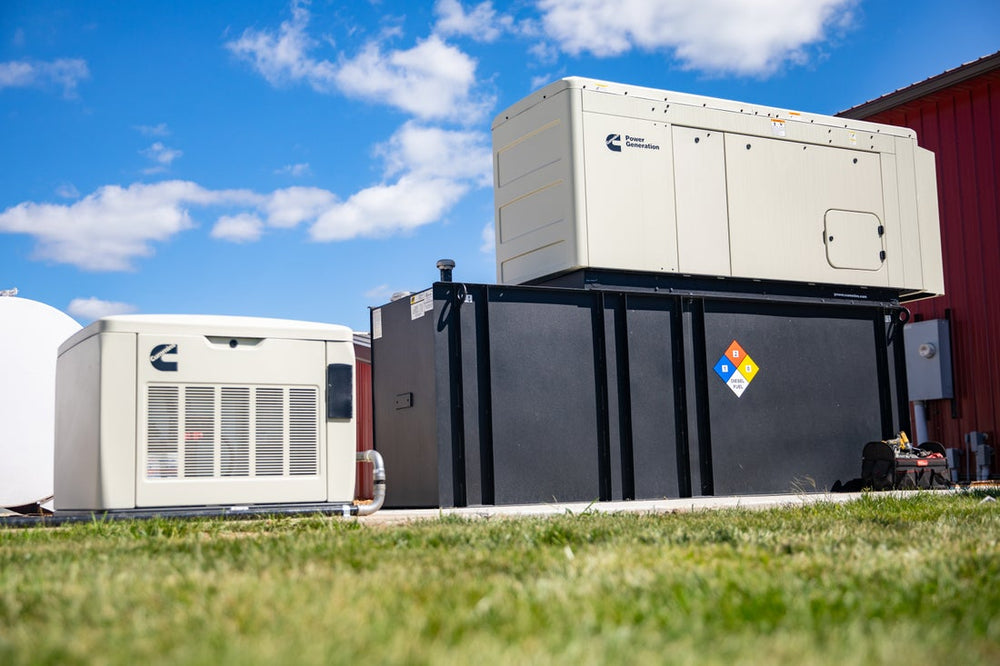

Smart Steps to Pick a Home Backup Generator for Steady Power

Updated on: January 13, 2026
Home backup generators provide essential protection during power outages, ensuring your household appliances, lighting, and critical devices remain operational. These systems offer peace of mind by automatically detecting outages and supplying electricity to your home. Understanding how they work, their benefits, and installation considerations will help you make an informed decision about whether a backup power solution is right for your family.
Table of Contents
- Understanding Standby Power Systems
- Practical Guide to Installation and Maintenance
- Key Advantages of Residential Backup Power
- How to Determine the Right System Size
- Summary and Next Steps
- Questions You Might Have
- About the Author
Understanding Standby Power Systems
Home backup generators, also known as standby power systems, are permanent installations designed to automatically supply electricity when your primary power source fails. Unlike portable generators that require manual setup and fuel transport, stationary units sit outside your home and connect directly to your electrical panel. When a power outage occurs, these systems typically activate within seconds, seamlessly switching your household from grid power to generator power.
The technology behind modern backup power solutions involves an automatic transfer switch that monitors your home's electrical supply continuously. The moment it detects an interruption, the switch triggers the generator to start and directs power to your home's circuits. This process happens without requiring any action from you or your family members, making it an exceptionally convenient solution during emergencies.
Most standby power units run on natural gas or propane, which means they can operate for extended periods without manual refueling. This characteristic proves especially valuable during lengthy outages caused by severe weather, infrastructure failures, or other unexpected events. The fuel supply remains constant, allowing your household to maintain comfort and safety for days or even weeks.
Practical Guide to Installation and Maintenance
Professional Installation Process
Installing a home backup generator requires professional expertise to ensure safety and compliance with local building codes. We recommend consulting with experienced technicians who understand your region's electrical requirements and permitting processes. The installation typically involves positioning the unit on a concrete pad outside your home, connecting it to your fuel source, and integrating it with your electrical panel through an automatic transfer switch.
Your installation team will also establish proper ventilation to allow exhaust gases to escape safely away from your home's windows and doors. This ventilation consideration is crucial for maintaining healthy indoor air quality and preventing carbon monoxide accumulation. Professional installers can assess your property and recommend the optimal placement for your backup power system.
Regular Maintenance Requirements
To keep your standby power system functioning reliably, we suggest scheduling routine maintenance appointments annually or as recommended by your manufacturer. During these visits, technicians inspect fuel lines, test the automatic transfer switch, check battery condition, and perform a load test to verify the generator operates at full capacity.
Monthly self-checks are equally important for homeowners. We encourage you to visually inspect your unit for any obvious damage, ensure the area around it remains clear of debris, and verify that fuel levels are adequate. Many modern systems include monitoring features that alert you to maintenance needs, making it easier to stay on top of upkeep requirements.
Fuel Management
If your system uses propane, we recommend maintaining a full tank year-round so you're always prepared for unexpected outages. Natural gas systems draw from your home's existing gas line, eliminating the need to monitor fuel levels manually. Both fuel types offer excellent reliability and efficiency compared to diesel or gasoline alternatives.
Key Advantages of Residential Backup Power
- Automatic Operation: Your system activates instantly without requiring manual intervention, even if you're away from home or asleep.
- Continuous Protection: Unlike portable generators, stationary units can operate indefinitely when connected to natural gas or propane supplies.
- Whole-Home Coverage: You can configure your system to power essential circuits or your entire home, depending on your preferences and budget.
- Increased Property Value: Homes equipped with backup power solutions often appeal to buyers concerned about emergency preparedness.
- Peace of Mind: Knowing your family will have electricity, heating, and refrigeration during outages provides invaluable emotional security.
- Convenient Operation: No manual fuel handling, extension cords, or power cord management is necessary with permanent installations.
- Reduced Spoilage: Your refrigerator and freezer continue operating, preventing costly food loss during extended outages.
- Medical Device Support: Families relying on electric medical equipment gain assurance that critical devices will continue functioning.
How to Determine the Right System Size
Selecting the appropriate capacity for your home backup generator depends on several factors unique to your household. We suggest starting by calculating the wattage requirements of essential appliances and systems you want to power during an outage. This typically includes your furnace or heating system, water heater, refrigerator, lighting, and any medical equipment you rely upon.
Most household appliances display their power requirements on a label, usually measured in watts or kilowatts. Air conditioning systems and well pumps require significantly more power than smaller devices, so if you want to maintain cooling or water supply, your generator must accommodate these higher demands. A qualified technician from Core Generator Services can conduct a comprehensive assessment of your specific needs and recommend an appropriately sized system.
Undersized units might struggle to power all desired circuits simultaneously, potentially causing automatic shutdowns. Oversized systems waste fuel and increase installation costs unnecessarily. Finding the right balance ensures you get reliable performance without overspending on unnecessary capacity. We recommend discussing your priorities with your installer to determine which approach best serves your family's needs.
Summary and Next Steps
Home backup generators represent a smart investment in your family's safety, comfort, and financial security. These systems automatically protect your household during power outages by supplying electricity to essential appliances and systems. Understanding how they operate, maintaining them properly, and choosing the right capacity ensures you'll benefit from dependable emergency power whenever you need it most.
To move forward with protecting your home, we encourage you to contact experienced professionals who can evaluate your property and provide personalized recommendations. Consider scheduling a consultation with our team at Core Generator Services to explore available options and pricing. Taking action today means your family will have peace of mind and practical protection long before the next power outage occurs.
Questions You Might Have
How quickly does a home backup generator start during a power outage?
Most modern standby power systems detect an outage and start within seconds, typically between 10 and 20 seconds. The automatic transfer switch simultaneously directs power from the generator to your home's circuits, often so quickly that battery-backed devices barely notice any interruption. This rapid response means your lights stay on, your refrigerator continues running, and your heating system maintains your home's temperature throughout the outage.
What maintenance is required to keep my system in good working order?
Annual professional maintenance visits are the standard recommendation for most manufacturers, though some systems may require service more or less frequently depending on their specific design and your local conditions. During these appointments, technicians perform load testing, inspect fuel connections, check battery health, and verify that all components function properly. Monthly visual inspections and fuel level checks between professional visits help ensure your system remains ready for emergencies. We suggest consulting your manufacturer's guidelines for your particular model's specific requirements.
Can I operate a home backup generator during mild weather to save on electricity costs?
We would gently suggest that using your standby power system for routine electricity cost reduction isn't recommended. These systems are specifically designed and permitted for emergency backup during outages, not for regular operation or financial savings. Operating your generator outside of emergency situations can void your warranty, increase maintenance costs, reduce its lifespan, and potentially violate local regulations. We encourage you to explore other energy-saving strategies such as improving insulation, upgrading to efficient appliances, or consulting with an energy auditor about your home's consumption patterns.
What happens if my home backup generator fails during a power outage?
This scenario highlights the importance of regular maintenance and load testing. When you work with experienced professionals and maintain your system according to manufacturer guidelines, the risk of failure becomes quite minimal. However, if an issue does occur, most service providers offer emergency support and can dispatch technicians quickly. We recommend establishing a service agreement with your installer before an emergency occurs, ensuring you know exactly what support is available when you need it most.
About the Author
This article was prepared by the team at Core Generator Services, where we specialize in helping homeowners understand and select appropriate backup power solutions. Our experienced professionals have assisted hundreds of families in evaluating their emergency power needs and finding systems that provide reliable protection. We're committed to providing clear, honest information that empowers you to make the best decisions for your household. We'd be delighted to answer your questions and help you explore how a backup power system might benefit your family's safety and comfort.
The content in this blog post is intended for general information purposes only. It should not be considered as professional, medical, or legal advice. For specific guidance related to your situation, please consult a qualified professional. The store does not assume responsibility for any decisions made based on this information.
