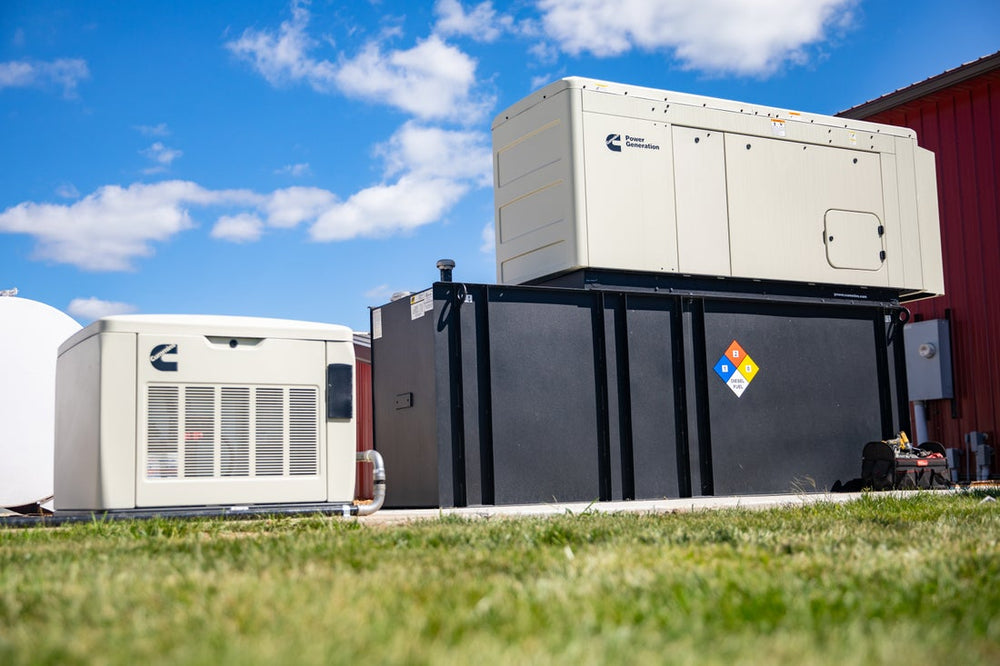

Liquid Cooled Generators for Reliable Power Under Load

Updated on: 2026-01-13
Liquid cooled generators represent a significant advancement in power generation technology, offering enhanced efficiency and reliability for demanding applications. These systems utilize advanced cooling mechanisms to maintain optimal operating temperatures, resulting in improved performance and extended equipment lifespan. Whether you're considering an upgrade or exploring generator options for your facility, understanding the benefits and functionality of water-cooled power systems can help you make an informed decision. This guide explores everything you need to know about these innovative generators and how they compare to traditional alternatives.
Table of Contents
- Practical Guide to Liquid Cooled Generators
- Key Advantages
- How the Cooling System Works
- Summary and Next Steps
- Questions and Answers
Practical Guide to Liquid Cooled Generators
Understanding how to select and maintain liquid cooled generators requires knowledge of several key factors. These advanced power systems have become increasingly popular in commercial and industrial settings due to their superior performance characteristics. Let's explore the practical aspects of working with water-cooled power generation equipment.
Selecting the Right System for Your Needs
When evaluating liquid cooled generators for your facility, consider the power output requirements first. These systems typically range from 10 kW to several megawatts, making them suitable for various applications. Calculate your peak load demands and factor in future growth to ensure adequate capacity. It's equally important to assess your facility's cooling infrastructure, as these generators require a dedicated cooling system to operate effectively. Many businesses find that working with experienced providers like Core Generator Services helps simplify the selection process and ensures proper system sizing.
Installation Considerations
Proper installation of water-cooled power systems is essential for optimal performance and longevity. These generators require adequate space for the main unit, cooling radiators, and interconnecting piping. Ensure your facility has proper ventilation to prevent heat accumulation around the equipment. The installation environment should be protected from excessive moisture, dust, and temperature fluctuations that could compromise system reliability. Professional installation teams typically handle all connections, including fuel lines, electrical wiring, and cooling loops, ensuring everything meets industry standards and local regulations.
Maintenance and Care
Regular maintenance keeps your liquid cooled generators running efficiently throughout their operational lifespan. Schedule monthly inspections to check coolant levels and monitor for any visible leaks or corrosion. The cooling fluid requires periodic replacement according to the manufacturer's recommendations, typically every two to five years depending on system usage. Battery terminals should be cleaned and checked quarterly, and fuel quality should be verified regularly. Additionally, load testing should be conducted at least annually to ensure the system responds correctly under demand. Core Generator Services offers comprehensive maintenance programs that take the guesswork out of system upkeep.
Key Advantages
Water-cooled power generation systems offer numerous benefits that make them attractive for serious power backup requirements. Here are the primary advantages of choosing these advanced generators:
- Enhanced Efficiency: The liquid cooling mechanism allows engines to operate at optimal temperatures, resulting in better fuel efficiency and reduced operating costs over time.
- Quieter Operation: Compared to air-cooled alternatives, these systems produce significantly less noise, making them suitable for noise-sensitive environments like hospitals, data centers, and residential areas.
- Extended Equipment Life: Better temperature management reduces engine wear and stress, extending the overall lifespan of your generator and delaying replacement investments.
- Consistent Performance: Water-cooled systems maintain stable operating temperatures regardless of ambient conditions, ensuring reliable power delivery in varying climate environments.
- Compact Design Options: Many liquid cooled generators offer space-efficient configurations, making them ideal for facilities with limited installation space.
- Reduced Emissions: Modern water-cooled systems often incorporate advanced emission control technology, supporting environmental compliance and sustainability goals.
- Scalability: These systems can be configured for various power ranges, allowing businesses to scale their backup power capacity as needs evolve.
- Lower Operating Temperature: The efficient cooling mechanism keeps components cooler, reducing thermal stress and improving overall system reliability.
How the Cooling System Works
The cooling mechanism in liquid cooled generators operates on a straightforward yet effective principle. As the engine generates power, it produces substantial heat as a natural byproduct of combustion. Rather than relying on air circulation alone, water-cooled systems circulate a specially formulated coolant through engine passages, absorbing this heat directly. The heated coolant then flows to a radiator where air passes through cooling fins, dissipating the accumulated heat back into the atmosphere. A thermostat regulates coolant flow to maintain the engine at its ideal operating temperature, typically between 180 and 200 degrees Fahrenheit.
This continuous circulation process offers several advantages over traditional air-cooled designs. The direct contact between coolant and hot engine surfaces transfers heat more efficiently than air alone can achieve. Additionally, the system can be tuned to maintain consistent temperatures under varying loads, preventing the temperature spikes that air-cooled generators sometimes experience under heavy demand. Core Generator Services specializes in systems that optimize this cooling process for maximum reliability and performance.
Summary and Next Steps
Liquid cooled generators represent a mature, reliable technology for businesses and facilities requiring dependable backup power. These systems offer superior efficiency, quieter operation, and extended lifespan compared to conventional alternatives. The investment in water-cooled power generation typically pays dividends through reduced fuel consumption and lower maintenance costs. Whether you're upgrading existing equipment or installing a new system, understanding the advantages and operational requirements of these generators positions you for success.
To move forward with exploring liquid cooled generators for your facility, start by documenting your power requirements and facility constraints. Reach out to Core Generator Services for a detailed assessment and customized recommendations. Request information about available models, financing options, and maintenance programs to ensure you select a solution that meets both your immediate needs and future growth plans. Taking these steps now will help ensure your facility has reliable, efficient backup power when you need it most.
Questions and Answers
What is the typical lifespan of a liquid cooled generator?
With proper maintenance and regular servicing, water-cooled power systems can operate reliably for 20 to 30 years or more. Many facilities report excellent performance from well-maintained units that have been in service for decades. The key to longevity is adhering to recommended maintenance schedules, using quality fuel, and having a qualified technician perform annual inspections. The liquid cooling mechanism itself significantly contributes to this extended lifespan by reducing thermal stress on engine components.
How do I know if my facility needs a liquid cooled generator versus an air-cooled model?
If your facility operates in a noise-sensitive environment, requires high continuous power output, or has limited space for equipment, a liquid cooled generator is likely the better choice. These systems are also preferred when ambient temperatures are extreme, as they maintain consistent performance across varying climate conditions. Air-cooled models may be suitable for smaller operations with less demanding requirements and greater noise tolerance. Consulting with specialists at Core Generator Services can help you evaluate your specific situation and make the optimal choice.
What type of maintenance does the cooling system require?
The cooling system requires periodic coolant level checks, typically performed monthly. The coolant itself should be tested for proper concentration and replaced every two to five years depending on usage and water quality. The radiator should be inspected for debris and corrosion, and cooling fins should be cleaned to maintain optimal heat dissipation. If your facility has hard water, you may need to use distilled water in the cooling system to prevent mineral buildup. Most maintenance tasks are straightforward, though professional service ensures all components receive proper attention.
Are liquid cooled generators more expensive than traditional models?
While the initial purchase price of water-cooled systems is typically higher than air-cooled alternatives, the total cost of ownership often favors these advanced generators. Improved fuel efficiency, longer operating life, and reduced maintenance requirements result in significant savings over the system's lifespan. Many facilities find that the enhanced reliability and performance justify the higher upfront investment, particularly when backup power is critical to business operations.
Can liquid cooled generators operate in outdoor environments?
Yes, these systems can be installed outdoors with appropriate protective enclosures. The enclosure should protect the generator from direct rain, excessive wind, and temperature extremes while allowing proper ventilation. Outdoor installations may require additional weatherproofing measures and more frequent maintenance due to exposure to the elements. Proper drainage and foundation preparation are essential to prevent water accumulation around the equipment.
How quickly can a liquid cooled generator reach full load capacity?
Most modern water-cooled systems can reach full operational capacity within seconds of startup. The time required depends on the specific model and load requirements, but many units provide usable power within three to five seconds and reach peak capacity shortly thereafter. This rapid response capability makes them valuable for critical applications where power interruptions must be minimized.
What safety features should I expect in a quality liquid cooled generator?
Modern liquid cooled generators typically include multiple safety features such as automatic shutdown if coolant temperature becomes excessive, low oil pressure alarms, overload protection, and emergency stop controls. Many units also incorporate monitoring systems that track performance parameters and alert operators to potential issues before they become serious problems. These safety systems work together to protect both the equipment and facility personnel.
About Core Generator Services
Core Generator Services specializes in providing comprehensive power generation solutions for businesses and facilities of all sizes. With extensive experience in designing, installing, and maintaining liquid cooled generators and other power systems, our team understands the unique requirements of different industries and applications. We're committed to helping our clients select the right equipment for their needs and providing ongoing support to ensure optimal performance. If you have questions about water-cooled power systems or need professional guidance for your facility's power backup requirements, we're here to help you find the perfect solution.
The content in this blog post is intended for general information purposes only. It should not be considered as professional, medical, or legal advice. For specific guidance related to your situation, please consult a qualified professional. The store does not assume responsibility for any decisions made based on this information.
