
Georgia’s Data Center Boom and Why Home Standby Power Matters
Georgia’s data center boom is putting a spotlight on how essential reliable electricity has become. For homeowners, standby power is a practical way to stay prepared for outages and keep the essentials running when storms or grid events hit.

Featured Article
Georgia’s Data Center Boom and Why Home Standby Power Matters
Georgia is quickly becoming a major hub for data centers, the facilities that power cloud computing, streaming, AI, and “always-on” digital services. You’ve probably seen new campuses announced around Metro Atlanta and across nearby counties, with more projects proposed each year.
Data centers don’t “cause” outages by themselves, but this wave of growth highlights an important reality: our homes depend on reliable electricity more than ever. When power goes out, everyday life stops fast. For many families, a standby generator has moved from “nice to have” to a practical preparedness upgrade.
What’s driving the growth in Georgia
Big infrastructure follows big demand. AI workloads, cloud storage, and digital services require massive computing capacity, and companies are expanding quickly to keep up. In Georgia, major operators have publicly announced new investments and construction, including large-scale data center development in and around the Atlanta region.
Where you’re seeing new projects
While the Atlanta metro has long been a data center market, recent announcements and expansions are bringing even more attention to Georgia and surrounding counties. Examples include:
- Large new builds tied to cloud and AI: Microsoft has announced data center activity and expansion in the Atlanta area, and has also shared construction updates for projects in Georgia.
- Major investment announcements: AWS has announced a significant multi-billion-dollar investment plan connected to expanding infrastructure in Georgia counties including Butts and Douglas.
- Growing regional campuses: Developers continue expanding capacity around Atlanta, including additional campus buildings announced by operators serving hyperscale and enterprise needs.
Why this matters to homeowners
Data centers are built around uptime. They plan for redundancy, monitoring, and backup power because downtime is expensive. That’s a mindset worth borrowing at home: outages still happen due to storms, accidents, equipment failures, and local grid events, and when they do, your home’s “critical systems” suddenly become very real.
Many homeowners start thinking about standby power after one of these moments:
- Food loss from long refrigerator and freezer downtime
- Comfort and safety issues during summer heat or winter cold
- Work-from-home disruption when internet equipment and home offices go dark
- Medical or accessibility needs where reliable power is not optional
- Storm season readiness and a desire to avoid last-minute scrambling
The grid conversation is changing
With data center demand rising, utilities and regulators are actively planning for large-load growth. Georgia Power has discussed significant projected load growth in its planning materials, and state regulators have been weighing major resource additions tied largely to demand from large users like data centers.
It’s also worth noting that large-load pipelines can change over time: some projects move forward quickly, others slow down, and some get removed from planning pipelines altogether. The headlines will shift, but the takeaway for most families stays the same: being prepared at home is still smart.
Standby power basics (plain language)
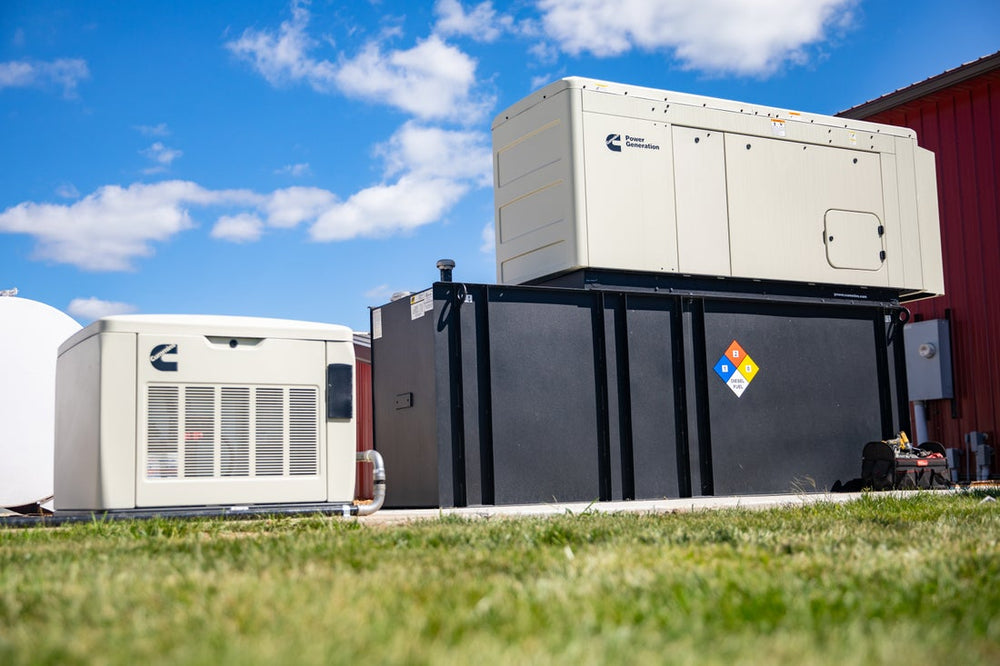
A standby generator is a permanently installed backup power system designed to start automatically during an outage and shut down when utility power returns. The biggest benefit is simple: automatic, consistent backup power without dragging out equipment or managing extension cords.
How to think about choosing the right standby setup
You don’t need to overcomplicate it. Start with your goal, then work backward:
- Essentials-first: Keep the basics running like refrigeration, lighting, a few outlets, and key home systems.
- Comfort-focused: Add more coverage for convenience and day-to-day livability during longer outages.
- Higher coverage: For homeowners who want broader backup capability and fewer tradeoffs.
Fuel choice and long-term readiness matter too. Standby systems commonly use natural gas or propane depending on what’s available. And like any engine-driven equipment, routine upkeep is part of keeping it dependable.
A quick preparedness checklist for Georgia residents
- List what you want powered during an outage (the “must-haves”).
- Decide how automatic you want the solution to be (standby vs other options).
- Consider fuel practicality for your property.
- Plan for routine maintenance so the system is ready when needed.
- Use properly licensed professionals for any electrical work, permitting, or installation.
How we can help
We’re a generator dealer and product support resource. We help customers compare equipment, select the right generator for their goals, and source compatible components. If your project requires electrical work, permitting, or installation, that must be performed by properly licensed professionals.
If you’re considering standby power, reach out with a short description of what you want to back up and any brand/model questions. We’ll help you narrow down the right direction and keep the buying process straightforward.
Educational content for general guidance. Always follow manufacturer documentation and use properly licensed professionals for electrical work, permitting, and installation.
